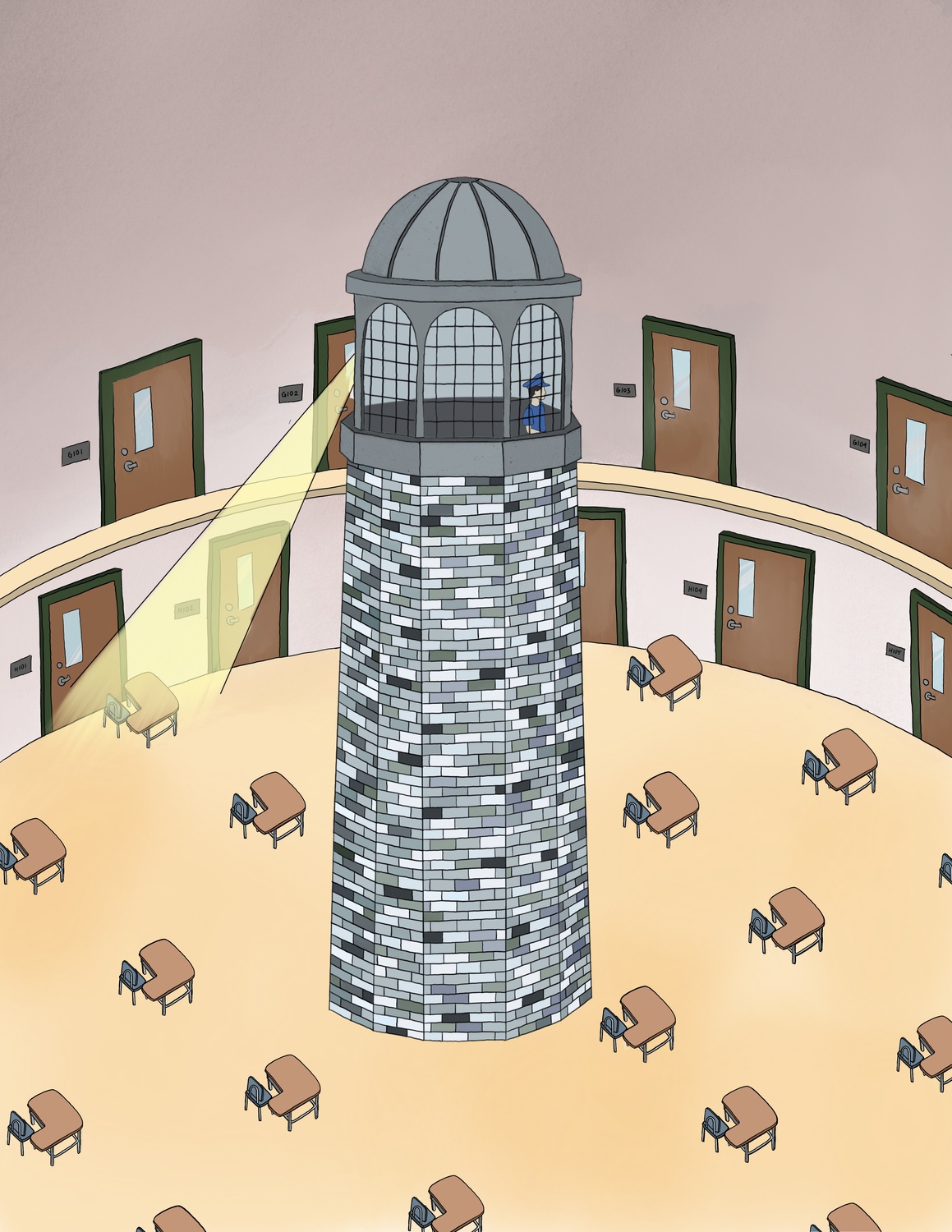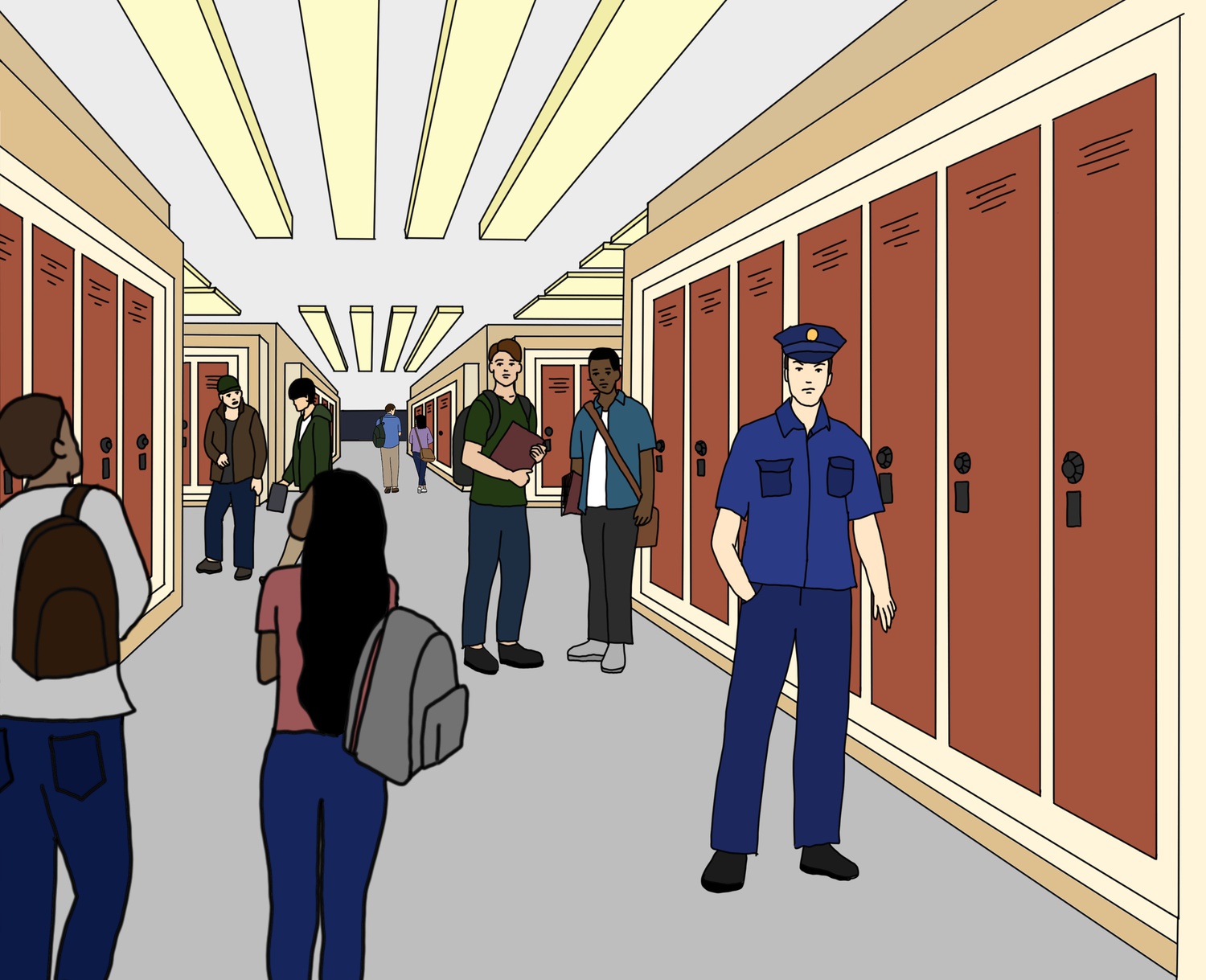
As a function of the legacy of chattel slavery within the United States, African-Americans have, at all stages of our history, been delegated to a second-class status. From the ownership of Black people as property to the denial of equal rights through Jim Crow laws to the use of techniques like gerrymandering and redlining to continue to deny equal access and opportunity, the history of racial oppression in the United States is a long and nuanced one, often showing itself in ways that aren’t clearly obvious to most everyday citizens. Our project seeks to highlight one of these less perceptible tools of racial oppression: surveillance.
Referred to as Orlando, this undocumented immigrant had come to Boston in hopes of finding his father. During his time in high school he reportedly got into a fight. They identified him in security footage and there were rumors of Orlando involved in gang violence. A police officer wrote up this incident and sent it to the Boston Regional Intelligence Center or BRIC. The BRIC ended up labeling him as a threat which forced them to call ICE on Orlando so he was deported.
Keith had just been dropped off by an Uber near his barbershop in February 2018 when the police approached him. He was minding his own business, expecting a routine visit to the barber, but instead found himself the subject of a police stop. The officers, who seemed to have mistaken him for someone else, began questioning him. They asked for his name, address, and occupation, but Keith chose not to provide this information. A video was posted of the situation and it went viral and illustrated policing in this country and in Massachusetts.
"Over the past two years, legal changes have shifted the landscape of policing in Massachusetts. But advocates have yet to see whether the reforms will be enough to disrupt the decades-old, entrenched systems of policing and surveillance they are meant to address — a system that takes for granted that certain children should be seen as threats." (The Harvard Crimson)
Lorem ipsum dolor sit amet, consectetur adipiscing elit. Suspendisse tincidunt sagittis eros. Quisque quis euismod lorem.